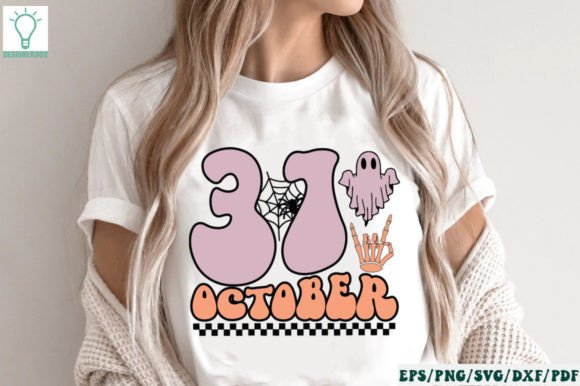
31 October Retro SVG: A Designer's Real-World Embroidery Review
When I first opened the 31 October Retro SVG, my immediate reaction wasn't about the file formats or the technical specs. It was about the vibe. There is a specific kind of nostalgia that this design captures, and as someone who has spent years stitching for clients and running a small handmade shop, I know exactly what that means for your bottom line. This isn't just a generic Halloween graphic; it feels like a piece of mid-century pop culture brought to life with thread. But does it hold up when the needle hits the fabric? That is the real question.
I decided to put the 31 October Retro SVG through its paces on a project that matters: a custom embroidered tote bag intended for a boutique holiday collection. The goal was to create a product that felt approachable yet professional, something that would stand out in an Etsy listing without looking cheap or overly complex. The "Retro Halloween" theme offers a unique angle compared to the standard spooky ghosts and pumpkins we see every year. It suggests a playful, vintage aesthetic that appeals to crafters, designers, and small business owners looking for fresh design assets.
The First Impression: Mood and Visual Personality
The visual personality of this 31 October Retro SVG is defined by its clean lines and bold shapes. In the digital realm, it looks crisp, but embroidery is a translation process. When you convert a vector into stitches, you are dealing with physical limitations. The retro style works well here because it relies on strong silhouettes rather than delicate, hairline details that often get lost in dense stitch areas. The layout feels balanced, which is crucial for products like aprons, sweatshirts, and pillow covers where symmetry matters.
For a commercial embroidery project, the mood is everything. This design evokes a sense of fun and community. It fits perfectly into the category of holiday embroidery, bridging the gap between seasonal decor and wearable art. Whether you are creating personalized gifts or mass-producing items for a craft fair, the retro theme allows you to target a demographic that appreciates vintage aesthetics. It transforms a simple embroidery file into a statement piece that can elevate a brand's identity.
Real-Life Application: From Screen to Stitch
To truly understand how the 31 October Retro SVG performs, I simulated a real-world scenario. I selected a heavy-duty canvas fabric for a tote bag design, a staple for any crafter business. The challenge with retro styles is often maintaining the integrity of the curves while ensuring the stitch density doesn't make the fabric stiff or unwearable. Using a combination of satin stitch for the outlines and fill stitch for the solid blocks, the design held its shape remarkably well.
Imagine placing this on a baby item, like a onesie or a soft muslin blanket. The rounded edges of the retro typography and graphics prevent the design from feeling too aggressive, making it suitable for nursery decor or baby embroidery projects. However, if you were to use this on a cap or hat, the curved surface presents a different set of challenges. The design needs to be scaled correctly to fit the hoop size without distorting the perspective. On a flat surface like a tea towel or a kitchen towel, the machine embroidery design shines, offering high contrast and clear definition that customers will appreciate.
I also tested the design's versatility for layered garments. Because the 31 October Retro SVG includes distinct elements, it can be broken down for applique designs or used as a standalone patch. This flexibility is a huge plus for Etsy sellers who need to diversify their inventory. You aren't limited to just one type of product; this single asset can become a tote bag, a sweatshirt embroidery piece, or a decorative pillow cover depending on how you manipulate the file in your digitizing software.
Where Caution is Key: Fabric and Placement
While the design is robust, there are specific scenarios where you must exercise caution. If you plan to use this on textured fabrics, such as thick fleece or bouclé, the fine details might get swallowed up by the nap of the material. Similarly, thin fabrics require careful stabilizer selection to prevent puckering, especially around the dense fill areas of the retro elements.
Dark fabrics present another consideration. While the retro style often uses bold colors, the contrast between the thread colors and the background fabric is critical for readability. If you are producing a finished product for a client who wants a subtle look, you might need to adjust the thread palette. Conversely, for a bright, eye-catching look, high-contrast threads work best. I also recommend avoiding this design for very small hoop sizes unless you are willing to sacrifice some detail. Tiny lettering or intricate corners can blur when stitched at a reduced scale, affecting the overall professionalism of the item.
Stretchy fabrics, like those used for t-shirts or leggings, require a stabilizer that provides enough support to counteract the fabric's movement during stitching. Without proper stabilization, the embroidery project could end up distorted, leading to customer returns and damaged reputation. Always test the design on scrap fabric first to ensure the tension settings on your machine are correct.
Impact on Brand and Customer Trust
In the world of craft business, presentation is paramount. A well-executed 31 October Retro SVG on a high-quality garment signals attention to detail. Customers notice the difference between a poorly stitched logo and a professionally executed design. When you use a design with a clear, recognizable theme like this, you build brand consistency. It tells the buyer that you care about the aesthetic of your small shop product.
This design also enhances giftability. Holiday gifts often rely on emotional connection, and the nostalgic feel of the retro theme creates an immediate bond. Whether it is a personalized gift for a friend or a boutique product for a stranger, the design adds value. It makes the item feel curated rather than generic. For digital product sellers, having a high-quality preview of this design in various mockups can significantly increase buyer engagement. Showing how the embroidery file looks on different backgrounds helps customers visualize the final result.
Practical Designer Notes for Success
Before you commit to a full production run, here are a few essential steps to ensure your digital embroidery file performs as expected:
- Test on Scrap: Always stitch the 31 October Retro SVG on a scrap of the actual fabric you intend to use. This reveals issues with thread tension, stabilizer choice, and fabric texture interaction.
- Check Thread Colors: Review the color palette against the fabric. Ensure the thread colors provide sufficient contrast, especially on dark or patterned materials.
- Inspect Small Details: Zoom in on the digitized version to check for tiny details that might not stitch well. If necessary, simplify the design or adjust the stitch density.
- Confirm Hoop Size: Verify that the design fits within your machine's hoop size limits. If the design is large, consider splitting it or using a larger frame.
- Review Licensing: Since this is a Graphics product intended for commercial use, confirm the licensing terms before selling finished items. Some files allow personal use only, while others permit commercial sales of the final product.
- Stabilize Properly: Use the right type of stabilizer (cut-away, tear-away, or wash-away) based on the fabric weight and stretchiness.
The 31 October Retro SVG download includes SVG, DXF, PNG, EPS, and PDF formats, which gives you immense flexibility across different software platforms like Cricut Design Space, Silhouette Designer Edition, and Make the Cut MT. This compatibility ensures that whether you are cutting vinyl for a heat press or digitizing for a sewing machine, you have the tools you need. However, always double-check the specific requirements for your embroidery software to ensure smooth conversion.
Ultimately, this design is a strong addition to any designer's toolkit. It balances artistic flair with practical application, making it ideal for everything from custom apparel to embroidered patches. By paying attention to the nuances of fabric, stitch density, and presentation, you can turn this digital asset into a tangible success story for your creative enterprise.