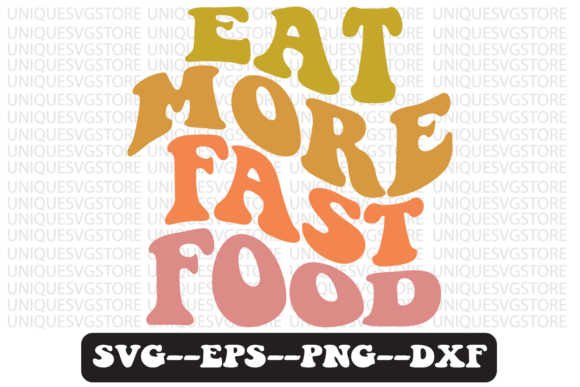
Eat More Fast Food Retro Svg Design Review
As a designer who spends half my life staring at stitch patterns and the other half worrying about client expectations, I don’t just buy graphics; I evaluate them. When I first pulled up the Eat More Fast Food Retro Svg Design, my immediate reaction wasn’t about the text itself, but about the vibe. It screams 1970s diner nostalgia with that specific brand of chaotic energy that works so well in modern streetwear and casual apparel. But does it hold up when you actually put it under the needle? That is the question that matters to any serious embroiderer or small business owner looking to create a profitable, high-quality finished product.
First Impressions: The Groovy Aesthetic
The design carries a distinct groovy retro personality. It isn’t trying to be minimalist or corporate. Instead, it leans into bold shapes and a playful attitude that fits perfectly into the current trend of nostalgic, comfort-driven fashion. For an embroidery project, this visual weight is crucial. Thin, delicate lines often get lost in the fabric texture or require excessive digitizing work to look clean. This design, however, seems built for impact. It has the kind of graphic punch that stops a browser from scrolling past your Etsy listing and makes a customer want to touch the physical item.
The layout feels balanced enough for a standard chest placement on a sweatshirt or centered on a tote bag, yet dynamic enough to stand alone as a statement piece. It bridges the gap between a fun novelty gift and a legitimate fashion statement. If you are targeting customers who love vintage aesthetics, quirky humor, or comfort-focused clothing, this design hits the right emotional notes immediately.
Real-World Application: Where Does It Shine?
I have spent years testing designs on everything from heavy cotton hoodies to delicate baby onesies. Here is where I see the Eat More Fast Food Retro Svg Design performing best in real-life scenarios.
Custom Apparel and Streetwear
This is the sweet spot. Imagine this design embroidered on a heavyweight charcoal gray hoodie or a cream-colored long-sleeve tee. The contrast allows the retro colors to pop without overwhelming the garment. It works exceptionally well for boutique branding or custom orders for local cafes that want to offer staff uniforms with a bit of personality. It transforms a basic blank tee into a curated fashion item.
Baby Items and Personalized Gifts
There is a surprising amount of charm in applying this to baby clothes. A onesie featuring this design is adorable because of the juxtaposition—the "fast food" theme is humorous to adults, but visually it’s just colorful, fun shapes to a child. It makes for a fantastic shower gift or a personalized keepsake. The design’s simplicity ensures it doesn’t look cluttered on smaller garments.
Tote Bags and Aprons
For crafters selling handmade goods, this design is versatile. On a canvas tote bag, it serves as a durable, eye-catching accessory that people will actually want to carry around, increasing your brand visibility. On a kitchen apron, it adds a touch of humor to cooking tasks. It fits the "homey" aesthetic while still feeling trendy.
Technical Considerations for Embroidery Designers
Not all digital assets translate seamlessly to thread. As someone who reviews these files for practical use, I need to point out several areas where you must exercise caution before sending this to production.
Stitch Density and Detail
While the design looks great on screen, you must verify the stitch density. Retro designs often rely on thick outlines or solid fills. If the digitization is too dense, the fabric might pucker, especially if you are working with lightweight jersey or stretchy knit fabrics. Conversely, if the details are too fine, they may disappear after washing. Always test the design on scrap fabric first to check how the threads interact with the weave of your material.
Fabric Texture and Color Contrast
The success of this machine embroidery design relies heavily on your choice of base material. Dark fabrics can swallow up lighter thread colors, making the design look muddy. Light fabrics, particularly white or pastel shades, provide the best canvas for the retro palette. Also, be wary of textured fabrics like bouclé or heavy fleece; the uneven surface can distort the alignment of the stitches, ruining the crispness of the retro shapes.
Hoop Size and Placement
Ensure the design fits comfortably within your standard hoop sizes. If you plan to place this on a curved surface like a baseball cap or a beanie, you will need to adjust the angle and possibly scale the design down. Small hoop sizes limit the complexity of the design, so if there are intricate corners or tiny lettering, they might become indistinguishable blobs of thread. Inspect the small details closely in your software before committing to a full run.
Best Practices for Commercial Use
If you are an Etsy seller or running a craft business, consistency is key. Using a design like Eat More Fast Food Retro Svg Design allows you to create a cohesive line of products—from matching mugs to wall art to wearable items. However, remember that a printable PNG sublimation design behaves differently than an actual embroidery file. If you are using this for sublimation on mugs or polyester shirts, ensure the resolution is high enough to prevent pixelation. For actual stitching, confirm whether the file includes proper stabilizer recommendations and if the thread colors provided match your available spools.
Furthermore, always double-check licensing terms. Just because a design is available for purchase does not automatically grant commercial rights for mass production. Some licenses allow for a limited number of sold units, while others require a separate commercial license. Protect your small shop by reading the fine print before you list your finished products.
Final Verdict: Is It Worth the Investment?
Overall, the Eat More Fast Food Retro Svg Design is a strong contender for designers looking to add some flavor to their catalog. It offers a clear mood, broad appeal, and versatility across multiple product categories. It is not a subtle design; it demands attention, which is exactly what you want in a competitive market.
For hobbyists, it is a fun way to experiment with color combinations and fabric types. For professional decorators and shop owners, it is a reliable asset that can drive sales through its relatable humor and nostalgic charm. Just remember to respect the technical limitations of embroidery. Test your samples, pay attention to thread contrast, and ensure your finishing touches are impeccable. When executed correctly, this design has the potential to turn a simple piece of fabric into a memorable, sellable piece of art.
In the world of handmade products and custom apparel, standing out is difficult. This design helps you do exactly that. It captures a moment in time and brings it into the present day, stitched beautifully onto something tangible. That is the kind of value that builds customer trust and encourages repeat business. If you are ready to embrace the groovy side of design, this is a smart addition to your design assets library.