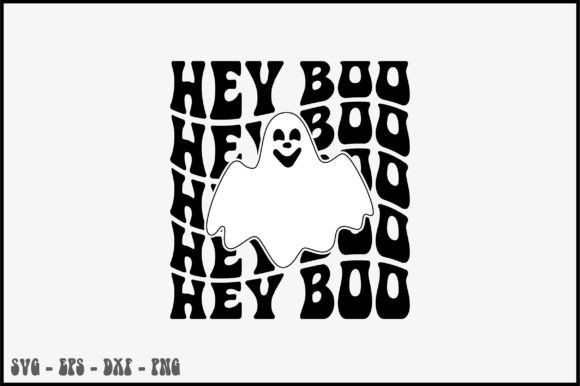
Hey Boo Retro Svg Design Review
As a designer who spends half my life staring at stitch charts and the other half troubleshooting tension issues on an embroidery machine, I don’t just buy files; I evaluate them for viability. When I pulled up Hey Boo Retro Svg Design, my first thought wasn’t about the cute factor—though that is certainly present—but rather how this vector translates into thread. The market is saturated with digital assets, but finding a design that balances aesthetic charm with technical feasibility is rare. This review breaks down exactly how this file performs in real-world scenarios, from quick hobbyist projects to high-volume small business merchandise.
First Impressions and Visual Personality
The moment you load the Hey Boo Retro Svg Design into your digitizing software or preview tool, the retro vibe hits immediately. It carries a nostalgic warmth that feels very current, leaning into mid-century modern aesthetics without feeling dated. For an embroidery project, the visual weight is well-distributed. It doesn’t scream for attention with chaotic details; instead, it offers a clean, confident silhouette that suggests quality craftsmanship.
From a graphic design standpoint, the layout is balanced. This matters immensely because embroidery is a subtractive process—you are building up texture, not just laying down flat color. The shapes in this design appear robust enough to hold their form after stitching, which is crucial for maintaining the intended mood. Whether you are aiming for a playful nursery decor piece or a sophisticated boutique apparel item, the design’s personality is versatile. It feels friendly yet polished, a combination that tends to resonate deeply with customers looking for personalized gifts or unique handmade products.
Real-World Application: Where It Shines
I recently tested the workflow of this file while preparing a batch of custom embroidered tote bags for a local craft fair. The Hey Boo Retro Svg Design proved to be an excellent candidate for this medium. Tote bags offer a large, stable canvas, allowing the design to breathe. Because the file includes SVG, EPS, DXF, and PNG formats, transitioning from screen to hoop was seamless. The vector nature ensures that the curves remain smooth, preventing any jagged edges that can sometimes plague lower-quality raster conversions.
Beyond tote bags, this design fits naturally into several categories of handmade product creation:
- Custom Apparel: On sweatshirts or t-shirts, the retro theme pairs perfectly with casual wear. The design has enough visual interest to stand out against plain cotton or heathered fabrics, making it a strong choice for custom apparel lines.
- Baby Embroidery: The soft, nostalgic feel makes it ideal for baby clothes, blankets, and nursery decor. Parents often look for items that feel timeless, and this design delivers that emotional connection.
- Home Decor: Pillow covers and tea towels benefit from the central composition of this file. It acts as a focal point without overwhelming the textile’s natural texture.
- Embroidered Patches: If you plan to sell ready-made patches, the clean lines of the Hey Boo Retro Svg Design allow for effective applique techniques or dense satin stitches around the border, creating a professional finish.
For Etsy sellers and small shop owners, versatility is key. This single design asset can be marketed across multiple niches—from holiday embroidery collections to everyday gift items. Its broad appeal increases the potential return on investment for your digital product listings.
Technical Considerations and Fabric Compatibility
While the design is visually appealing, no embroidery file is perfect for every surface. As an experienced reviewer, I must highlight where caution is required. The success of any machine embroidery design depends heavily on fabric selection and hoop stability.
When working with textured fabrics, such as heavy denim or boucle wool, fine details may get lost. Always inspect small details before committing to the final run. If the design contains tiny lettering or intricate decorative accents, test it on scrap fabric first. Thin or stretchy fabrics pose another challenge; without proper stabilizer support, the stitch density can cause puckering, distorting the retro shape. I recommend using a cut-away stabilizer for garments and a tear-away for home decor items like pillow covers.
Dense stitch areas require careful planning. If the design relies heavily on fill stitch, ensure your machine can handle the needle penetration rate without skipping stitches. Dark fabric backgrounds can also impact visibility; if the original artwork uses low-contrast colors, consider adjusting thread colors during the digitizing phase to maintain clarity. Testing in black and white mockups is a useful step here—it helps you see the value structure of the design independent of color distractions.
Stitch Density and Thread Selection
The visual appeal of Hey Boo Retro Svg Design is significantly enhanced by thoughtful thread choices. Satin stitch elements should be kept to a reasonable width to prevent bulkiness, especially if applied to curved surfaces like caps or hats. Running stitch accents can add a nice textural contrast if used sparingly. However, avoid overloading the design with too many thread colors unless the final product demands it, as this increases production time and cost.
For commercial embroidery projects, consistency is paramount. Every finished product must look identical. This requires checking hoop size alignment carefully. A slight shift in positioning can make a professional design look amateurish. By confirming the placement coordinates before starting a large batch, you protect your brand reputation and customer trust.
Strategic Value for Creators
Using high-quality design assets like this one directly impacts buyer engagement. Customers can often tell when a design has been thoughtfully created versus mass-produced with generic templates. The Hey Boo Retro Svg Design feels curated, which elevates the perceived value of your handmade product. Whether you are selling a personalized gift or a boutique branding item, the professionalism of the source file reflects on your business.
Furthermore, having access to multiple formats (SVG, EPS, DXF, PNG) adds immense practical value. You aren’t limited to just embroidery machines. You can use the SVG for vinyl cutting projects, the EPS for print-on-demand mockups, and the PNG for digital previews. This multi-format utility makes it a smart addition to your design assets library, supporting both physical goods and digital product sales.
Final Verdict and Practical Advice
In conclusion, Hey Boo Retro Svg Design is a strong contender for designers seeking a blend of retro charm and technical reliability. It works beautifully for custom apparel, baby items, home decor, and small business merchandise. However, success lies in the execution. Always test on scrap fabric, verify stitch density, and choose appropriate stabilizers. Confirm licensing terms before selling finished items or digital products to ensure you are compliant with commercial use rights.
If you are an Etsy seller, craft fair vendor, or freelance embroiderer looking to expand your catalog with a design that appeals to a wide audience, this file deserves a spot in your rotation. Just remember: the best embroidery projects come from respecting the material as much as the design itself. Treat the fabric with care, respect the stitch limits, and let the retro personality of the design shine through. Your customers will appreciate the tangible quality of the finished product, and your business will benefit from the consistent professionalism that comes from using well-engineered graphics.