Nacho Average Surfer Retro Svg Design Review
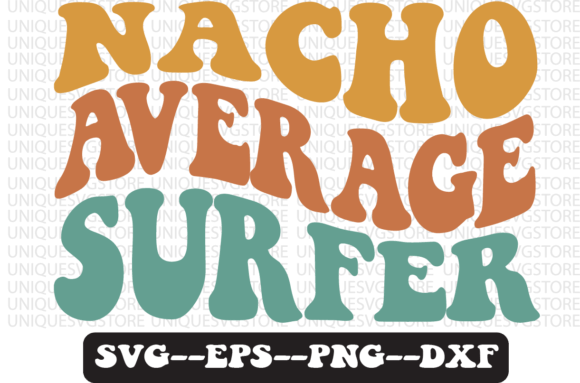
When I first opened the files for the Nacho Average Surfer Retro Svg Design, my immediate thought wasn't about the file format or the stitch count. It was about the vibe. There is a specific energy in retro graphics that can either make a product feel timeless or dated depending on execution. This design hits that sweet spot of groovy nostalgia without feeling like a cheap knock-off from the 70s. As someone who has spent years reviewing digital assets for real-world embroidery projects, I am always looking for designs that translate well from a screen to a needle and thread. The playful personality of this piece suggests it belongs in a collection aimed at casual wearers, beach lovers, or anyone with a sense of humor about their lifestyle.
The concept of a "Nacho Average" surfer is inherently fun, which makes it an excellent candidate for custom apparel. However, the devil is often in the details when converting a vector graphic into a machine embroidery design. For this review, I imagined placing this design on a variety of substrates to see where its strengths lie and where it might struggle. The goal here is not just to say if the design looks good, but to determine if it will hold up in a commercial setting or as a heartfelt personalized gift.
First Impressions: Mood and Visual Personality
The visual language of the Nacho Average Surfer Retro Svg Design relies heavily on bold shapes and a distinct color palette that screams vintage summer. In the world of embroidery design, high-contrast elements are crucial because they ensure the stitches pop against the fabric. The layout feels balanced, avoiding the cluttered look that often plagues text-heavy graphics. The typography likely carries a rounded, friendly weight that works well with the surf theme.
What stands out most is the potential for texture. A design with this much character benefits immensely from the tactile nature of thread. Unlike a flat print, embroidery adds dimension. When you think about how this design would look on a sweatshirt embroidery project, the fill stitches could give the waves or the taco element a nice depth. It creates a finished product that feels substantial and high-quality, which is exactly what customers expect when they buy handmade items from an Etsy seller or a boutique shop.
Real-World Application: From Screen to Stitch
To truly evaluate the utility of this asset, I put myself in the shoes of a small business owner preparing a holiday collection. Imagine creating a line of gifts for a surf enthusiast's birthday or a beach-themed baby shower. The Nacho Average Surfer Retro Svg Design shines brightly in these scenarios. On a soft cotton onesie, the design would serve as a charming baby embroidery piece that parents would proudly display. The humor of the phrase adds a layer of relatability that generic animal or floral motifs often lack.
I also considered using this for tote bag design applications. Canvas bags are a staple for craft fairs and everyday use. If executed correctly, this design could become a signature item for a brand selling summer accessories. The retro aesthetic pairs perfectly with natural fabrics like canvas or denim, reinforcing the organic, handmade appeal. Furthermore, for those selling digital embroidery files or design assets, this image serves as a strong example of a versatile graphic that can be adapted for various merchandise types, including mugs, wall art, and kitchen towels.
However, not every application is a perfect fit. While the design is robust, its success depends heavily on the substrate. Placing intricate retro details on a stretchy jersey knit t-shirt requires careful stabilization. Without proper technique, the curves might pucker, ruining the clean lines of the original artwork. Similarly, while the design works well on large surfaces, attempting to shrink it down for a small patch or a hat front might lose some of the charm if the detail level is too high.
Technical Considerations and Stitch Execution
When moving from a digital preview to a physical embroidery project, several technical factors come into play. The Nacho Average Surfer Retro Svg Design appears to rely on a mix of satin stitches for outlines and fill stitches for the main body. Satin stitches are beautiful but can be tricky on curved surfaces like caps. If the curvature is too tight, the stitches may gap or pull, distorting the text.
Stitch density is another critical factor. If the fill areas are too dense, the fabric underneath can become stiff and uncomfortable, especially for custom apparel worn close to the skin. Conversely, if the density is too low, the underlying fabric might show through, particularly on lighter threads. For a design intended for frequent washing, such as holiday embroidery gifts or daily wear, ensuring the stitches are secure and the density is appropriate is vital for longevity.
Fabric texture plays a massive role in the final outcome. A smooth polo shirt will render the design crisply, whereas a textured fleece or a heavy towel might obscure finer details. When working with dark fabrics, the choice of thread colors becomes paramount. You need a thread base that provides enough opacity to cover the background color effectively. Testing the design on scrap fabric is non-negotiable before committing to a final customer order. This step allows you to adjust the stabilizer type and hoop size to prevent shifting or distortion.
Strategic Use Cases and Limitations
This design is a powerhouse for commercial embroidery targeting a youthful, fun-loving demographic. It fits naturally into collections for summer festivals, beach clubs, or surf schools. For craft business owners, it offers a unique selling proposition that stands out in a sea of standard logos. The retro theme taps into current trends while maintaining a classic appeal that won't fade quickly.
However, there are areas where caution is advised. Small hoop sizes limit the amount of detail you can include. If the design includes tiny lettering or complex shading, it might not resolve well in a compact area. Additionally, layered garments or thick materials require more planning to accommodate the added bulk of the stitching. For products that need frequent washing, such as aprons or work shirts, the durability of the design should be verified. Dense stitch areas can sometimes trap lint or dirt over time, so regular maintenance is key.
Before listing this as a small shop product or offering it as a printable mockup, it is essential to confirm the licensing terms. Are you allowed to sell finished items made with this design? Does the license extend to digital products? These questions are critical for protecting your creative entrepreneur business. Always verify the usage rights provided by the creator to avoid legal complications.
Final Thoughts for the Embroidery Designer
The Nacho Average Surfer Retro Svg Design is more than just a pretty picture; it is a functional tool for creating engaging handmade products. Its retro charm and humorous message make it highly marketable for a wide range of projects, from apron customization to pillow covers. The design excels when used on stable fabrics where the stitch definition can shine.
For the professional designer, the key takeaway is preparation. Test the design on scrap fabric, check the thread contrast, and ensure your stabilizer choices match the fabric weight. By paying attention to these details, you can transform a simple digital file into a premium finished product that customers love. Whether you are a hobbyist making a personalized gift or a seasoned Etsy seller building a brand, this design offers a solid foundation for creativity. Just remember to inspect the small details and test thoroughly to ensure your brand consistency remains intact. With the right approach, this groovy design can become a standout piece in your portfolio.