Scout Life Groovy Retro Svg Design Review
When I first opened the files for the Scout Life Groovy Retro Svg Design, I immediately thought about the current state of the craft market. We are seeing a massive shift toward nostalgic aesthetics, but not every retro design translates well into thread. As someone who has spent years turning digital pixels into tactile stitches, my job is to look past the pretty mockup and ask: will this hold up on a sweatshirt? Will it survive a wash cycle? Does it have the visual weight needed for an embroidered patch?
This review is based on how I would approach this specific graphic if I were preparing a custom order for a client or building inventory for my own small shop. The product falls under the Crafts and Graphics categories, specifically as a digital asset ready for sublimation or embroidery digitizing. It promises a "groovy" vibe that feels perfect for the 70s revival trend, but let's dig into the practical application.
The First Impression: Mood and Visual Personality
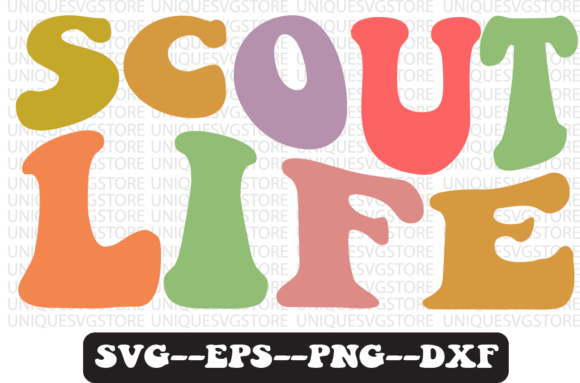
The moment you see the Scout Life Groovy Retro Svg Design, it exudes a warm, inviting energy. The typography and shapes suggest a relaxed, outdoor spirit that aligns perfectly with scouting themes, yet the retro styling gives it a modern edge. For an embroidery designer, the layout is crucial. A design that looks great on a screen often fails when converted into stitch data because of thin lines or tiny details that get lost in the fabric weave.
From a visual standpoint, this design creates a sense of fun and nostalgia. It feels like something you would wear to a summer camp reunion or a vintage flea market. The "groovy" elements likely include curves and bold shapes that work well with fill stitches, while the text portions require careful attention to ensure they remain legible after stitching. This isn't just a decorative element; it carries a personality that can elevate a plain tote bag into a statement piece.
Real-World Application: From Screen to Stitch
To truly understand the potential of this file, imagine a real-life scenario. You are prepping for a holiday gift season or restocking your Etsy shop. You decide to create a line of custom embroidered tote bags featuring the Scout Life Groovy Retro Svg Design. You select a heavy-duty canvas tote, which provides the stability needed for a detailed design. However, you also consider applying this to baby onesies for a personalized gift set.
In these scenarios, the versatility of the design becomes apparent. On a sturdy canvas tote, the design anchors the bag, making it look professional and boutique-ready. When scaled down for a baby item, the "groovy" aesthetic adds a playful touch that parents love. But here is where the judgment comes in: does the design have enough density to stand out on a soft cotton onesie without puckering? If the original SVG relies heavily on fine lines, those might disappear in the embroidery process, requiring a skilled digitizer to adjust the stitch count.
I also envision using this for a collection of aprons or kitchen towels. The retro theme fits the "farmhouse chic" or "modern rustic" decor trends perfectly. In a commercial setting, this design could be the hero image for a product listing, driving engagement from buyers looking for unique, handmade items. The key is ensuring that the final stitched version maintains the integrity of the original graphic. If the colors clash or the stitch density is too low, the perceived value of the finished product drops significantly.
Where Caution is Required
While the Scout Life Groovy Retro Svg Design has broad appeal, there are specific situations where an experienced designer would proceed with caution. Not all fabrics are created equal, and the success of the project depends heavily on the substrate.
- Small Hoop Sizes: If you plan to embroider this onto a cap or a small pocket, the detail level might be too high. Tiny lettering or intricate groovy swirls can become muddy blobs when compressed into a small area. Always test the design at the intended size before committing to a bulk order.
- Textured and Stretchy Fabrics: Materials like jersey knit or highly textured wool can distort the design. Without proper stabilizer, the tension of the machine can cause the fabric to pucker, ruining the clean lines of the retro style. Thin fabrics are particularly risky, as the weight of the thread can weigh the material down.
- Dense Stitch Areas: If the design features large blocks of solid color, the stitch density must be managed carefully. Too much thread in one spot can make the fabric stiff and uncomfortable, especially on apparel meant for active wear like hoodies or sweatshirts.
- Curved Surfaces: Embroidering on a curved surface like a baseball cap requires precise digitizing. If the design is not adapted for the curve, straight lines may appear warped, breaking the visual flow of the "groovy" theme.
Impact on Product Value and Brand Consistency
In the world of handmade products and small business merchandise, presentation is everything. A well-executed machine embroidery design builds trust with customers. They know that if the stitching is clean and the colors are vibrant, the quality of the entire garment is high. Conversely, a sloppy execution can damage your reputation as an Etsy seller or small shop owner.
The Scout Life Groovy Retro Svg Design offers a strong opportunity for brand consistency. If you are building a line of scout-themed gear, this design serves as a cohesive visual anchor. It signals to the buyer that you understand the aesthetic and have put thought into the product selection. It enhances the handmade product feel, making the item more than just a mass-produced good.
Furthermore, the design's adaptability allows for creative variations. You can use different thread colors to match seasonal themes—earth tones for fall, bright neons for summer, or classic navy and white for a traditional look. This flexibility increases the longevity of the design asset, allowing you to sell the same base graphic across multiple seasons without it feeling outdated.
Practical Notes for the Designer
Before you run this file through your embroidery machine, there are several critical steps to take. First, always test the design on scrap fabric that matches your final project material. This helps you gauge the stitch density and check for any potential issues with the stabilizer choice. You need to ensure that the fabric doesn't pucker and that the edges of the design are crisp.
Review the stitch types closely. Is the design relying on satin stitch for borders, or does it use fill stitch for the main graphics? Satin stitch is excellent for outlines but can be problematic on stretchy fabrics. Running stitch might be better for delicate details, but it requires a steady hand and a stable hoop. If the design includes applique elements, ensure you have the correct backing materials to support the layers.
Check the licensing terms carefully. If you intend to sell finished items featuring the Scout Life Groovy Retro Svg Design, you must confirm that the digital purchase allows for commercial use. Many designers offer different tiers of licenses, and assuming you can sell without checking is a common pitfall. Additionally, verify the file formats provided. While the description mentions SVG and PNG, ensure you have the necessary embroidery file format (like .dst, .pes, or .exp) for your specific machine. If only vector files are included, you will need to digitize them yourself, which adds time and cost to your workflow.
Finally, inspect the design in black and white. Sometimes, color choices on a screen hide contrast issues that become obvious in thread. Ensure that the light and dark areas of the design will translate well regardless of the background fabric color. Whether you are creating a personalized gift for a friend or a commercial embroidery project for a local business, taking these precautions ensures that the finished product meets professional standards.
The Scout Life Groovy Retro Svg Design holds significant promise for creatives looking to add a touch of nostalgia to their portfolio. With the right preparation and attention to technical details, it can transform simple fabrics into cherished keepsakes. By understanding its strengths and limitations, you can leverage this design asset to create high-quality, marketable items that resonate with customers seeking authentic, handmade goods.